
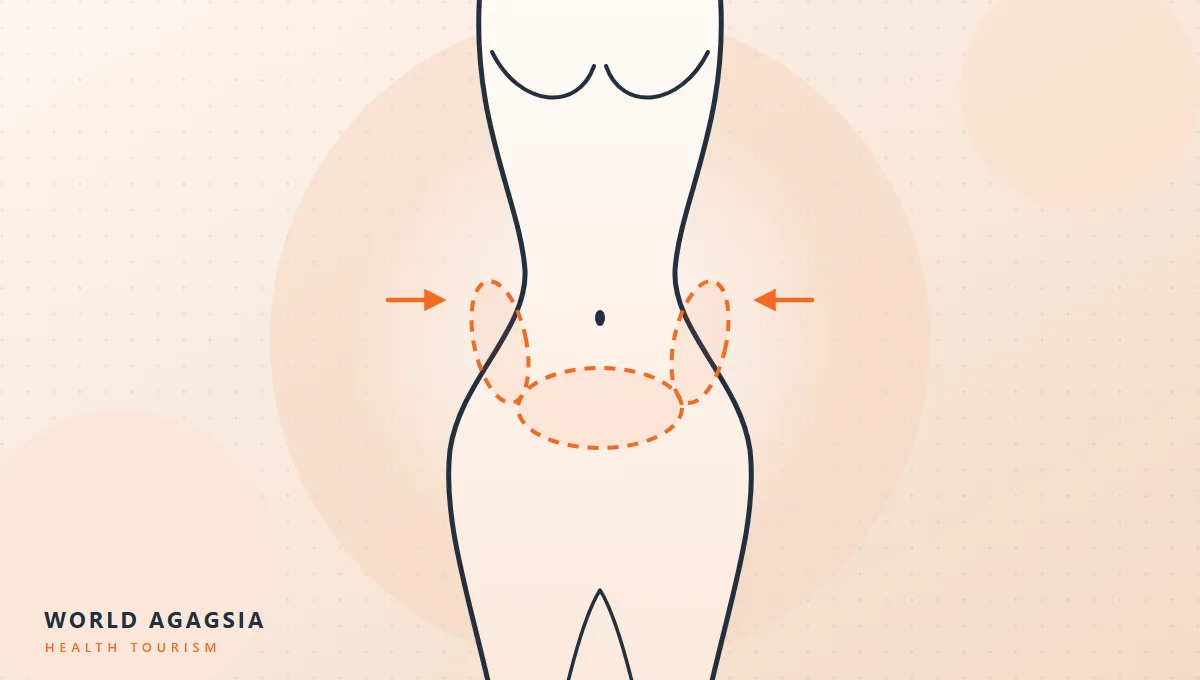
What Is Liposuction?
Liposuction, also known as lipoplasty, removes localised fat deposits from selected areas to refine body contour. Common treatment areas include the abdomen, waist, hips, thighs, arms, back, chin, calves and knees. It is not a treatment for obesity or a substitute for weight management.
Who May Be a Candidate for Liposuction?
People near a stable weight with localised fat deposits and adequate skin elasticity may discuss liposuction with a surgeon. Loose skin may not retract sufficiently after fat removal; a skin-removal procedure may be considered instead or in combination. Suitability depends on health, anatomy, goals and the amount and location of fat.
Procedure and Recovery
The surgeon makes small incisions and uses a cannula to loosen and remove fat. Technique, anaesthesia and treatment areas vary.
After surgery, compression garments may be recommended while swelling settles. Activity is increased gradually according to the surgeon’s instructions, and final contour takes time to assess.
Risks and Considerations
Risks may include bruising, swelling, infection, fluid collection, altered sensation, uneven contours, asymmetry, loose skin, injury to deeper structures, anaesthesia complications and revision surgery. Larger-volume or combined procedures require careful individual risk assessment.
Discuss Your Treatment Options
Contact our team to discuss your goals, health history and treatment options, including whether liposuction may be suitable for you. A qualified clinician can assess your individual needs and explain a personalised plan.
Medical note: This content is for general information and does not replace medical advice, diagnosis or treatment. Suitability, technique and recovery instructions must be determined by a qualified medical professional.


